Fjärrnyckel (remote key in Swedish, yes, I made an IKEA…)
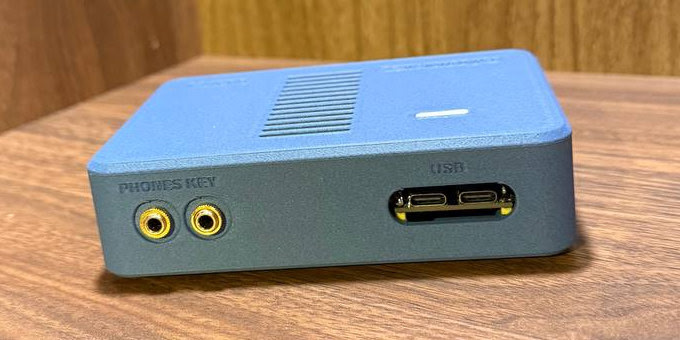
I realize that this isn’t strictly wfview stuff, but I use wfview together with my project and I think it works fantastic. I have a Raspberry Pi running wfview in my summerhouse in the forest, and I use it primarily remotely. With this project I’m able to use my straight key or paddle with my IC-7300, with about 40 ms latency and a local high quality sidetone.
I can’t say that I’m a professional CW’er, but I really want to develop this mode for myself, and I think this is a way for me to do so. Me and Claude built it together, and while we were at it we also documented it, published the firmware, added automatic updates and made it work with my keys on training sites. Since it turned out well, I thought I’d share it in case someone else wants to build one as well.
I have only tested it with the IC-7300. The receiver also includes the USB keying menu details for the IC-7300MK2, IC-705, IC-9700, IC-7610 and IC-905 from Icom’s CI-V manuals, but nobody has tried those yet. If you have one of them and feel like trying, I would like to hear how it goes.
Everything is open source (MIT): firmware, the receiver, a 3D printable case and build instructions.
73 de SA3LEJ, Lars-Erik